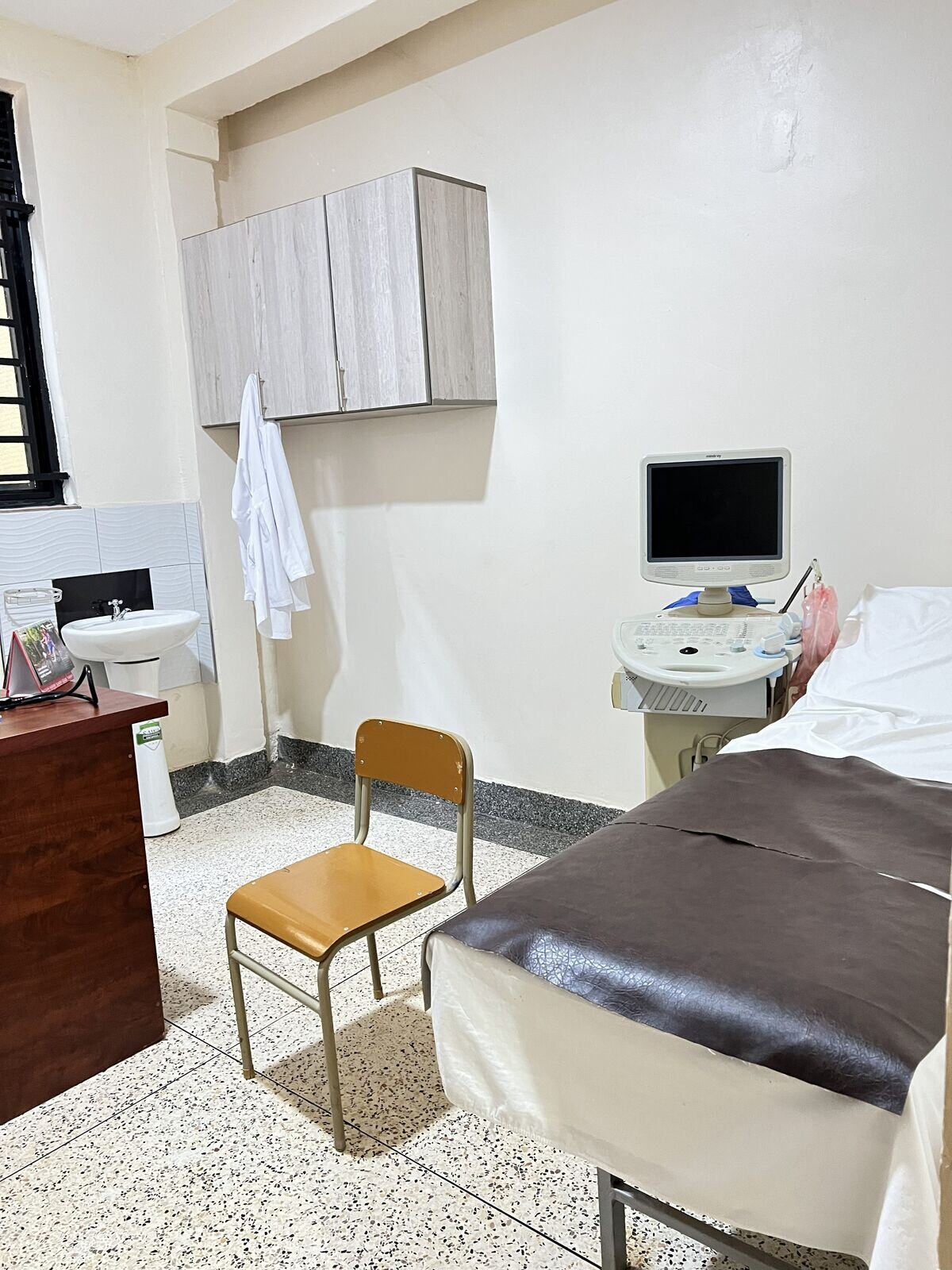
Fever is one of the most common reasons children are brought in — usually a sign the body is fighting an infection.
Fever in children is extremely common and, in itself, is simply a sign the immune system is actively responding to an infection — it isn't a diagnosis on its own. Most childhood fevers are caused by common, self-limiting viral illnesses, though fever is also how the body signals more serious infections, which is why the overall picture matters more than the temperature reading alone.
Viral infections account for the large majority of childhood fevers — colds, throat infections and common childhood viral illnesses all present this way. Less commonly, fever signals a bacterial infection such as an ear infection, urinary tract infection, or in endemic areas, malaria, which is why persistent or high fevers warrant testing rather than guessing.
Management focuses on keeping the child comfortable and well-hydrated while the underlying cause is identified or resolves on its own. Any fever accompanied by reduced feeding, unusual sleepiness, difficulty breathing, or a fever that persists beyond two days should be assessed promptly rather than managed at home indefinitely.
Seek care immediately if: a fever is very high, lasts more than two days, or your child is difficult to wake or won't feed.