It's easy to put off the first antenatal visit — you feel fine, the pregnancy is early, and there's a temptation to "wait until it's showing." But the first visit is arguably the most information-dense appointment of the entire pregnancy, and the earlier it happens, the more useful it is.
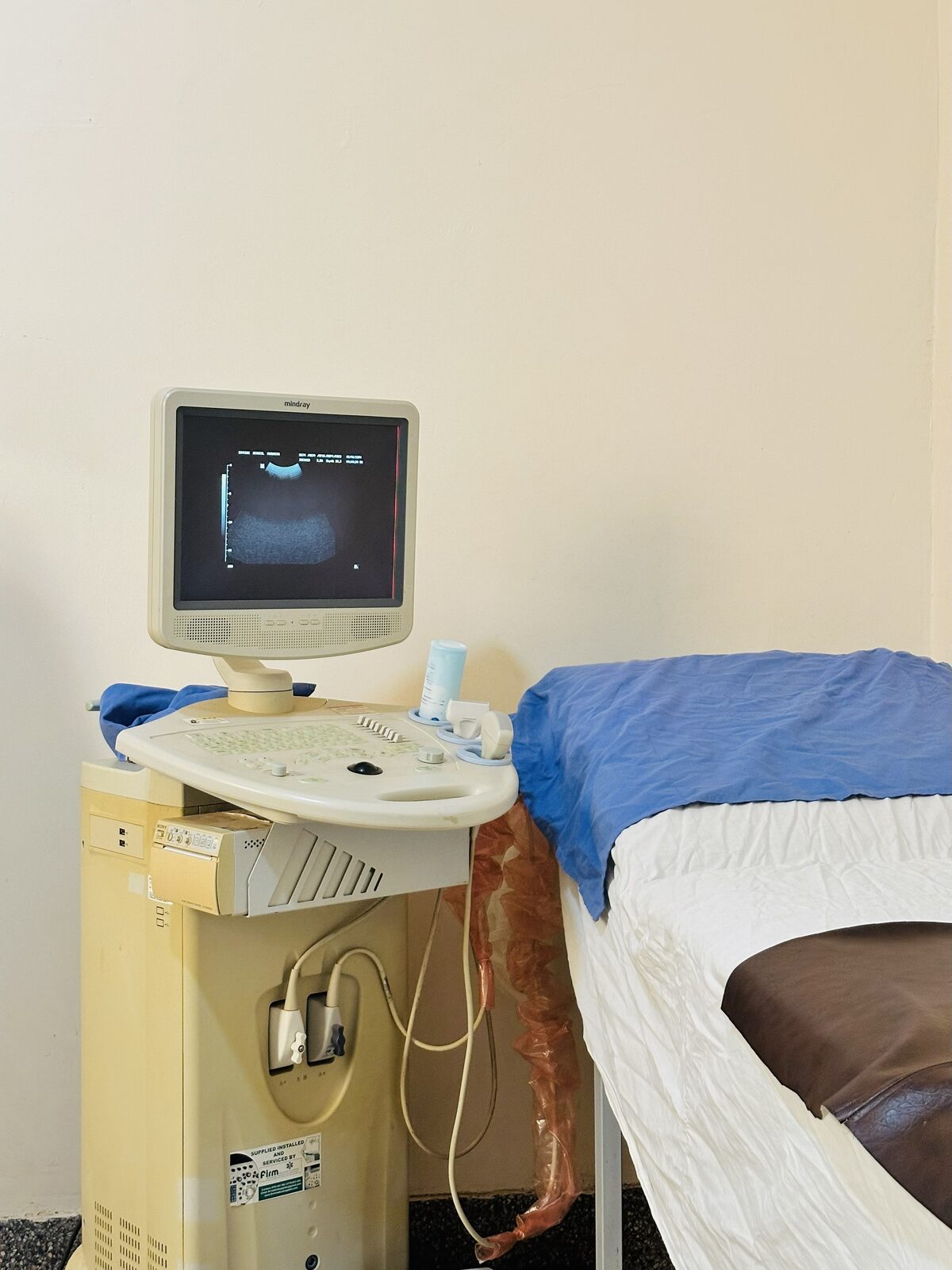
Your first antenatal appointment is longer than the ones that follow, because it sets the baseline for everything after it. Expect a detailed health history, a physical exam, initial blood tests (including blood group, haemoglobin, and screening for infections such as HIV and syphilis), and — if you're far enough along — an early ultrasound to confirm dating.
Many pregnancy risks are far easier to manage when caught early rather than mid-pregnancy. Anaemia, for instance, responds well to early iron supplementation but is harder to correct quickly later on. Infections identified early can often be treated before they affect the pregnancy at all. And an early ultrasound gives the most accurate due date of the entire pregnancy — later scans are less precise for dating.
If you suspect you're pregnant, book your first visit as soon as you can rather than waiting for a particular week or symptom. Our maternity team would rather see you a few weeks "too early" than have you miss the window where a simple test or supplement makes the biggest difference.
Our Antenatal & Maternity department supports you from this first visit through delivery and postnatal review, with the operating theatre on standby for any complications.