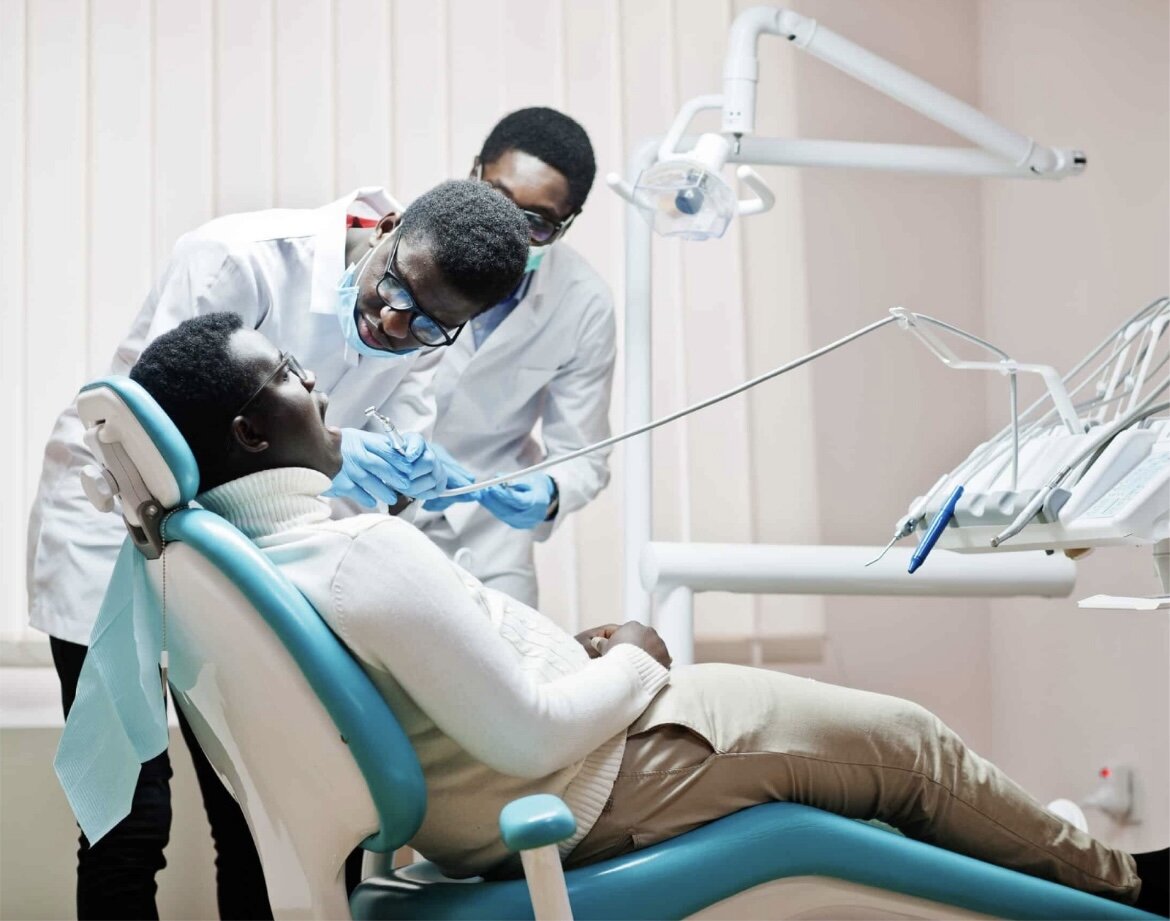
Most tooth damage doesn't happen in a single dramatic moment — it builds up from small, repeated habits that feel harmless in the moment. Here are five of the most common ones we see in our dental chair, and what to do instead.
Ice feels "clean" compared to sweets, so it's easy to assume it's harmless. In reality, biting down on something that hard can chip enamel or crack a tooth — especially one that already has a filling. If you enjoy the sensation, let ice melt in your mouth instead of crunching it.
More pressure doesn't mean cleaner teeth — it means worn enamel and receding gums over time. Use a soft-bristled brush and let the bristles do the work with gentle, circular strokes for a full two minutes, morning and night.
Saliva production drops while you sleep, which means the bacteria that gathered in your mouth all day have far less to wash them away overnight. Skipping brushing before bed — even once in a while — gives plaque a long, uninterrupted window to work on your enamel.
Opening a bottle cap, tearing a tag off clothing, ripping packaging — it's tempting to reach for your teeth when your hands are full. Each of these small acts risks a chip or crack that a filling or a check-up could have prevented entirely.
A single soda with a meal is far less damaging than sipping the same drink slowly over three hours, because that stretches out the time your teeth spend bathed in sugar and acid. If you do enjoy sugary or acidic drinks, it's kinder to your teeth to finish them in one sitting and rinse with water afterwards.
None of these habits need to cause lasting damage if you catch them early. A routine dental check-up every six months is the simplest way to catch small issues — like early decay or a hairline crack — before they turn into something that needs a filling, or worse, an extraction.